

 +91 70 70 70 9651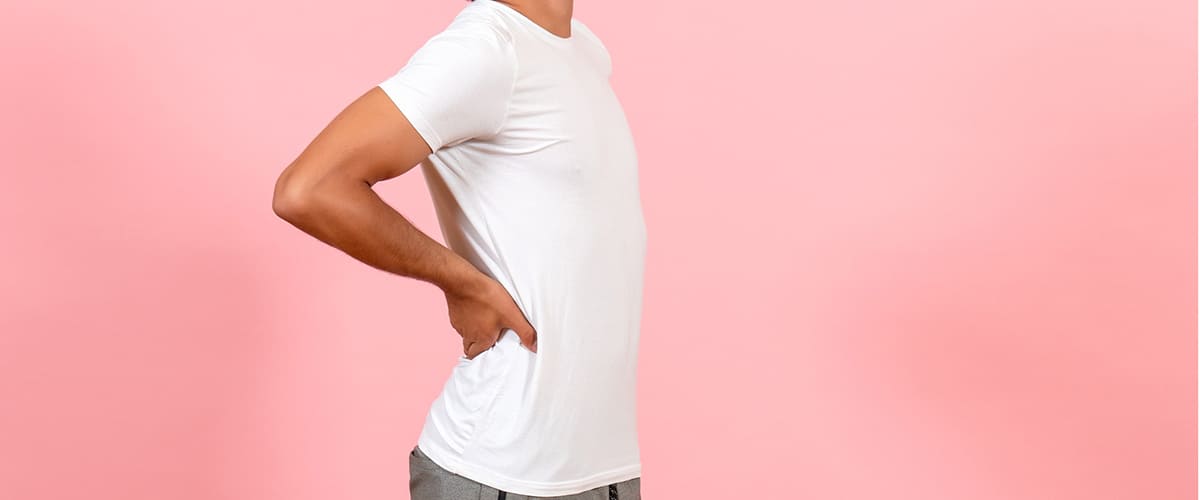
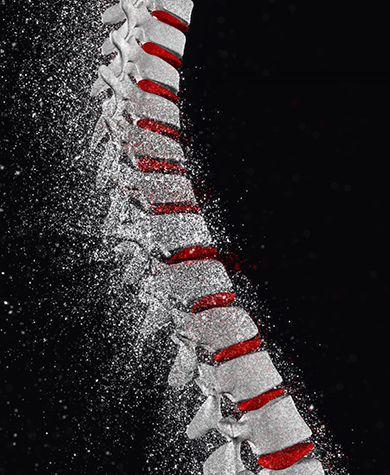
Scoliosis is the abnormal curvature of the spinal cord. A normal spine has a slight curve at the shoulder and then at the bottom near the waist. But when the spine curves into an S shape, it results in scoliosis.
What are the signs of scoliosis?
- A visibly odd curvature in the spine
- Uneven shoulders or hips where one looks bigger than the other
- Ribs that protrude out
- Low back pain
- Stiff back
- Excess weakness and muscle pain
- Numbness in legs
There are various kinds of scoliosis
- Idiopathic Scoliosis: In this kind, specialists usually cannot pin point the exact cause of the curvature.
- Congenital Scoliosis: This spine curvature is developed before the child is born and during the formation of the fetus itself. Most of the times, the defect is visible at birth or in the early teens.
- Neuromuscular Scoliosis: Spina Bifida, cerebral palsy or other such spinal cord disorders on injuries can damage the spine to bend in an abnormal way.
- Degenerative Scoliosis: Aging can cause wear and tear of the discs which can give way to abnormal curvature.
There are certain approaches at best spine doctors in Hyderabad which can be taken to correct the scoliosis in children and adults as well, based on the intensity of the disorder, some such methods are:
- Braces: A supporting brace is placed around the child's torso. This does not interfere with their day-to-day activities.
- Surgery: A fusion surgery or placement of rods are done in the spine by scoliosis specialist in Hyderabad which provide the stability and strength the spine needs to grow straight up
Whatever might be the age of your first visible signs, Dr. Sreenath who is the spine surgeon in Hyderabad can help with thorough analysis and treatment plan to bring your spine back in order.
Frequently Asked Questions
Scoliosis is a condition where the spine curves sideways instead of being straight, often forming an “S” or “C” shape. It can occur in children, adolescents, or adults.
Signs may include uneven shoulders, one hip higher than the other, a visible curve in the spine, or back pain in some cases.
No, many cases are mild and can be managed with observation, exercises, or bracing. Surgery is only recommended for severe or progressive curves affecting function or quality of life.
While mild cases can be managed and prevented from worsening, severe scoliosis may require surgical correction to improve alignment, reduce pain, and enhance overall posture.