

 +91 70 70 70 9651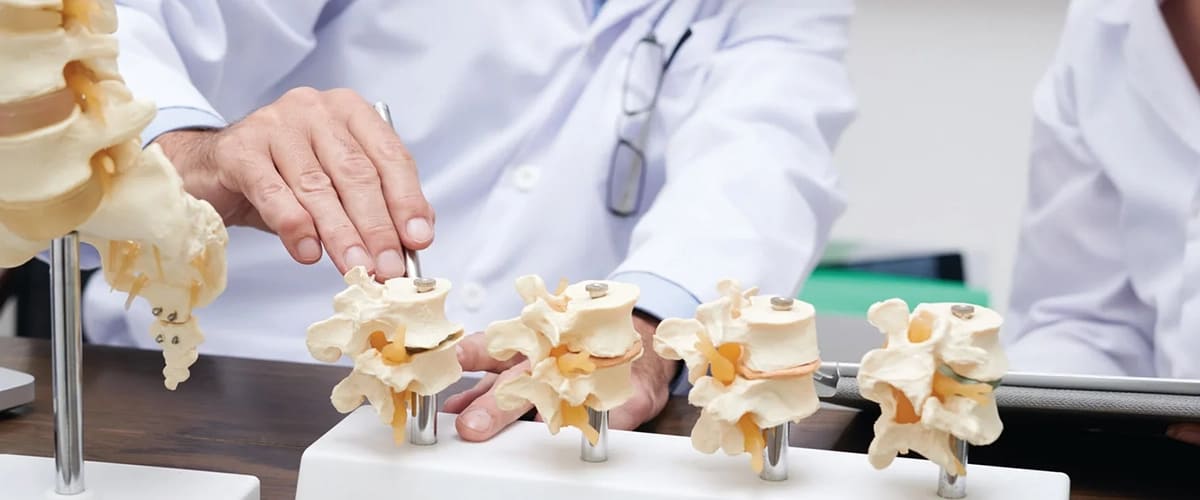
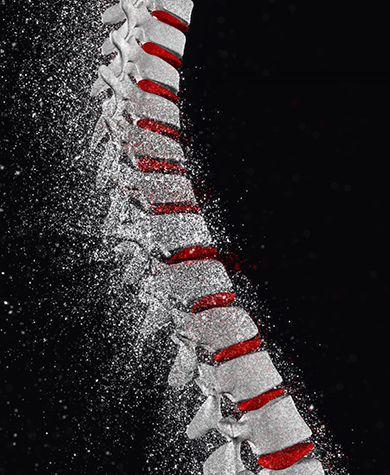
The spine is responsible for the stability of the entire body and any disturbance or pain can cause extreme discomfort. Dynamic stabilization or flexible stabilization is a process done as an alternate to the traditional spinal fusion. The major differentiating facto is the material used as the connector. A failed spinal fusion also referred to as failed back surgery syndrome or a severe case of degenerative spondylolisthesis usually calls for a dynamic stabilization procedure. The materials used are flexible and the connective screws are replaced with chords which help stabilize the spine and also preserve its mobility. Another major advantage of this process is that is also prevents disc degeneration is which noticed in the standard spinal fusion method, where the discs beside the implanted sites, over a period of time, degenerate. Visit spine specialist in Hyderabad.
Since the materials used are not rigid, the overall load on the spine is comparatively less and the recovery time is quick as well. This dynamic stabilization is relatively a newer area of spine surgery and Dr.Sreenath has had much success adopting and implementing this technique. The major concern with any new technique is the longevity or stability of the technique and since dynamic stabilization has been made to cater flexibility, the product and materials have a vast scope of continuous improvement. Consult spine doctor in Secunderabad for dynamic stabilization.
Frequently Asked Questions
Dynamic stabilization is a spine surgery technique that stabilizes the spine while still allowing controlled movement, unlike traditional fusion which completely restricts motion.
It is typically recommended for patients with mild to moderate spinal instability, early degenerative disc disease, or chronic back pain where preserving motion is important.
Unlike fusion, dynamic stabilization uses specialized implants to support the spine without permanently joining the bones, helping maintain flexibility and reduce stress on adjacent segments.
Recovery is generally faster than fusion surgery. Most patients can return to light activities within a few weeks, with full recovery depending on individual healing and rehabilitation.